What to Look For When Buying Self-Defense Rounds
The Best Handgun Ammo for Self-Defense and Target Shooting
Handgun ammo is a self-contained cartridge that bundles a primer, propellant powder, and a bullet into one metal casing, ready to fire from your pistol or revolver. When you pull the trigger, the firing pin strikes the primer, igniting the powder to create expanding gas that pushes the bullet down the barrel with reliable speed and accuracy. This simple, portable design makes it easy to load, store, and shoot, giving you consistent performance for 6.5x57mm Mauser Ammo for Sale practice or personal defense. Matching the right bullet weight and type to your firearm is the key to getting the most out of every round you send downrange.

What to Look For When Buying Self-Defense Rounds
When buying self-defense rounds for your handgun, prioritize jacketed hollow points (JHP) over full metal jacket (FMJ) ammo, as the hollow cavity expands upon impact, transferring energy and reducing over-penetration risk. Check the bullet weight—commonly 115, 124, or 147 grains for 9mm—and test each in your firearm to ensure reliable feeding and cycling, especially in compact or subcompact models. Examine the primer and case quality for consistent ignition, 6.5×55 Swedish Ammo for Sale and verify that the round meets minimum penetration standards of 12–18 inches in ballistic gel. Also, consider a bonded-core design to prevent jacket separation during expansion. Finally, run a few boxes through your magazine to confirm no jams or feed issues under rapid fire, since reliability is more critical than muzzle velocity in a defensive scenario.
Stopping Power vs. Over-Penetration: Finding the Right Balance
Balancing stopping power versus over-penetration risk means choosing a round that reliably incapacitates while minimizing the chance of a bullet passing through an attacker and striking innocents. Heavier, slower projectiles like 230-grain .45 ACP tend to penetrate deeply but stay within the body, whereas lightweight, high-velocity rounds can exit more easily. Hollow-point ammunition expands upon impact, increasing tissue damage and reducing penetration depth compared to full metal jacket loads. Test your chosen round through barriers like drywall or heavy clothing, as performance shifts dramatically. A compromised choice may stop a threat but create liability through collateral impact. Expanding hollow-points typically offer the best trade-off, but verify gel-test results for your specific barrel length.
Q: What is the safest way to balance stopping power with over-penetration?
A: Select a premium hollow-point designed for standard pressure, test it in your firearm for reliable feeding, and confirm through ballistic gel that it expands fully while penetrating .32 ACP Ammo for Sale 12–18 inches—enough to reach vital organs without exiting a typical torso.
How Bullet Weight (Grain) Affects Recoil and Accuracy
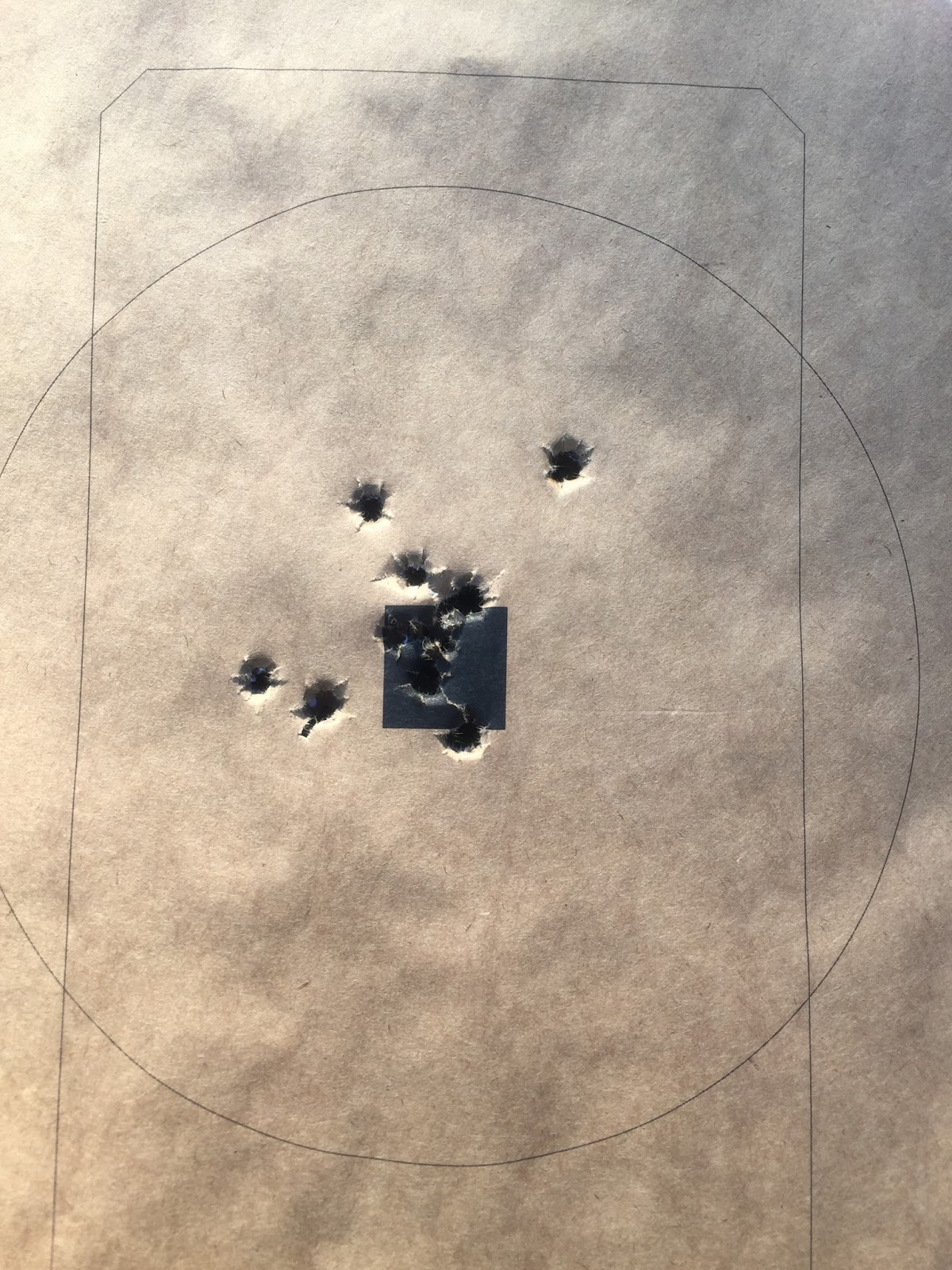
Heavier bullets, such as 147-grain 9mm loads, generate more recoil due to higher felt impulse, but their slower velocity often reduces muzzle flip and allows the sights to return faster for follow-up shots. Lighter bullets, like 115-grain, produce snappier recoil with quicker slide cycling, which can disturb sight alignment if grip is poor. For accuracy, bullet weight must match your pistol’s barrel twist rate; a 1:10 twist typically stabilizes 124–147 grain best, while 115-grain may keyhole in some compacts. Heavier rounds also maintain better ballistic consistency at self-defense distances, shrinking group sizes when your hold is steady.
- Heavier grain increases recoil impulse but reduces muzzle rise, aiding rapid reacquisition.
- Lighter grain yields sharper kick, risking accuracy if you flinch or have a weak grip.
- Test 124-grain as a midpoint—often balancing recoil and precision for concealed carry.
- Always fire a box of each weight to see which groups tightest from your specific barrel.
Full Metal Jacket vs. Hollow Point: Which Is Right for Your Needs?
Choosing between full metal jacket (FMJ) and hollow point (HP) handgun ammo boils down to mission: training versus defense. FMJ’s hardened lead core, fully encased in copper, feeds flawlessly and penetrates targets cleanly, making it ideal for range practice and competition due to lower cost and reduced barrel fouling. However, FMJ over-penetrates, posing a severe risk to bystanders in a self-defense scenario. Hollow points, with their cavity that expands upon impact, dump energy into the threat, creating a larger wound channel while drastically reducing the chance of exiting the body. This makes HP the undisputed choice for concealed carry or home defense. **The short answer: train with FMJ, carry with HP.** *Q: Why not carry FMJ? A: Because its pass-through capability endangers innocents, whereas HP stops inside 6.5x57R Ammo for Sale the target, maximizing stopping power.* Always verify your firearm cycles your chosen HP reliably before trusting your life to it.
Why FMJ Rounds Are the Best Choice for Range Practice
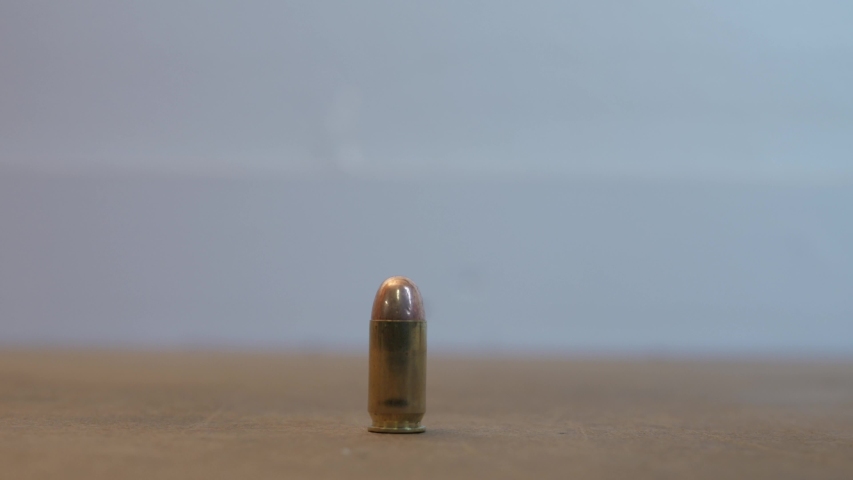
FMJ rounds are the best choice for range practice because their hard metal jacket resists deformation, ensuring consistent feeding and cycling in semi-automatic handguns, which keeps your session focused on trigger control rather than clearing malfunctions. Their lower cost per round lets you fire hundreds more repetitions for the same budget, building muscle memory faster. Since FMJ lacks expansion, it punches clean holes in paper targets without the excessive tearing or ricochet splash that hollow points cause against steel backers. This predictable penetration also reduces lead fouling in your barrel, extending cleaning intervals, while the uniform .35 Remington Ammo for Sale profile improves accuracy comparisons between batches—every box shoots to the same point of impact.
How Hollow Points Expand to Maximize Energy Transfer on Target
Upon impact, a hollow point’s cavity forces hydraulic pressure to flare the bullet’s jacket outward, creating a mushroom shape that drastically increases its frontal diameter. This rapid expansion multiplies tissue contact, which slows the projectile abruptly and transfers nearly all its kinetic energy into the surrounding medium. Because the bullet stops inside the target rather than passing through, that energy creates a larger permanent wound cavity and delivers a decisive stopping effect. The key is achieving controlled expansion for maximum energy transfer—the petals must open consistently at defensive velocities without fragmenting prematurely, ensuring deep penetration while maximizing trauma to vital structures.

A Caliber-by-Caliber Breakdown for Personal Protection
A caliber-by-caliber breakdown for personal protection reveals that handgun ammo choices hinge on balancing penetration, expansion, and recoil control. For concealed carry, 9mm Luger offers the best compromise—adequate velocity for reliable expansion with manageable recoil, making it the default for most shooters. .380 ACP, while smaller, requires carefully selected self-defense loads to ensure adequate penetration, as many rounds underpenetrate the FBI’s 12-inch gel standard. .40 S&W delivers a heavier payload and slightly deeper wound channels but increases muzzle flip and capacity loss. .45 ACP, in 230-grain JHP form, provides a large permanent cavity, though its lower velocity may limit expansion through barriers; modern loads, however, mitigate this with hollow-point designs.
Ultimately, the best caliber is the one you shoot accurately and reliably—so test multiple options against calibrated ballistic gel and your own grip strength before committing.
For magnum revolvers, .357 Magnum excels when loaded with 125-grain JHPs, but its blast and recoil demand practice; in snub-nose barrels, it performs nearly identically to .38 Special +P, which is easier to control.
9mm Luger: Why It Dominates the Concealed Carry Market
9mm Luger dominates the concealed carry market because it delivers the ideal balance of magazine capacity, recoil control, and terminal performance for rapid follow-up shots. In a defensive scenario, its manageable snap allows shooters to keep sights on target, while modern JHP loads expand reliably through clothing and penetrate to FBI-standard depths. The slim, compact pistols chambered in 9mm hold 12–18 rounds without printing, making them practical for all-day carry. Capacity and shootability are your true advantages—not raw power—enabling faster, more accurate fire when it .338 Lapua Ammo for Sale matters most.
- Higher round count in same-size frames than .40 or .45
- Lower felt recoil speeds up sight reacquisition
- Premium defensive ammo matches .40 S&W expansion
- Cheaper practice ammo means more trigger time
.45 ACP vs. .380 ACP: Comparing Stopping Power and Manageability
The .45 ACP vs. .380 ACP debate is really about trade-offs. The .45 throws a heavy, slow slug 6.8 SPC Ammo for Sale that crushes tissue, delivering classic stopping power for personal protection—but it kicks hard and needs a full-size frame to tame it. The .380, in contrast, is snappy but mild, letting you place fast, accurate follow-up shots from a pocket pistol. Manageability wins for the .380 if you have smaller hands or weak wrists; the .45 wins if you can absorb recoil and want maximum one-shot authority. Pick the one you’ll actually practice with.
Q: Which round is easier to control for a new shooter?
A: The .380 ACP, hands down—its light recoil makes it far more manageable than the .45’s heavy push, especially in compact guns.
Understanding Velocity and Pressure Ratings on the Box
The velocity rating, typically listed in feet per second (fps), tells you how fast the bullet leaves the barrel, directly impacting bullet drop and terminal performance. For handgun ammo, this number is only meaningful when compared to your specific barrel length, as shorter barrels yield significantly lower fps. The pressure rating, often shown as PSI or CUP, indicates the internal chamber pressure generated upon ignition. Understanding these ratings helps you select ammo that cycles reliably and safely in your firearm’s action. Always verify that the pressure rating falls within the specifications your handgun was designed for, usually found in the owner’s manual. Exceeding the manufacturer’s pressure limit can cause case head failure and severe injury. For defensive loads, prioritize a velocity that ensures reliable expansion, while checking that pressure stays within safe, factory-level parameters.
What +P and +P+ Loads Mean for Your Firearm’s Lifespan
+P and +P+ loads push pressure beyond standard SAAMI specs, which directly accelerates wear on your firearm’s locking surfaces, barrel throat, and recoil spring. Every high-pressure round you fire adds microscopic stress fractures and peening, shortening the service life of critical parts. Repeated +P+ use can cut your frame’s lifespan by thousands of rounds, especially in alloy or polymer guns not rated for sustained overpressure. You must replace recoil springs more frequently—typically every 1,500 to 2,000 rounds—to avoid slide battering. Reserve +P for defensive carry, not range practice, and never use +P+ in older or unrated firearms.
+P and +P+ loads reduce component longevity; limit their use to carry ammo and increase spring maintenance to protect your firearm’s life.
How Muzzle Velocity Impacts Bullet Trajectory and Terminal Performance
Muzzle velocity is the starting line for everything your bullet does downrange. A hotter load, like a 9mm pushing 1,200 fps, gives you a flatter trajectory, meaning less holdover at 25 yards compared to a slower 950 fps round, which drops noticeably. More importantly, velocity drives terminal performance—if a hollow point lacks the speed to expand, it acts like a full metal jacket, punching straight through. For self-defense, sufficient muzzle velocity ensures reliable expansion and adequate penetration depth. The sequence works like this:
- Higher speed boosts energy transfer on impact.
- That energy forces the bullet to mushroom predictably.
- Predictable expansion creates a wider wound channel while still reaching vital organs.
So, check the box’s velocity rating—it tells you whether that bullet will behave like a fast, fragmenting round or a slow, solid slug.
Practical Tips for Storing and Rotating Your Ammo Supply
Store handgun ammo in its original factory box inside a sealed, airtight container with desiccant packs to block humidity; avoid basements or garages where temperature swings cause condensation on brass cases. Rotate strictly by purchase date using a “first in, first out” system—place newer boxes behind older ones on the shelf. For carry ammo, cycle your magazine load every six months by firing the old rounds at the range and replacing them with fresh cartridges; this prevents primer or bullet setback issues from repeated chambering. However, practice ammo can often remain viable for years if kept cool and dry, so don’t discard it prematurely. Label each sealed container with the purchase month and caliber, and always inspect for corrosion before loading. Additionally, dedicate a separate, clearly marked bin for your defensive handgun rounds to avoid mixing them with bulk practice ammunition.
How to Identify Signs of Corrosion or Duds Before You Load
Before loading, inspect each round under bright light. Look for **corrosion indicators** like green or white crusty deposits on the primer, case mouth, or bullet—these signal moisture damage that can cause pressure spikes or misfires. Check for dark ring stains around the primer pocket, which indicate seepage. Gently roll the cartridge; a loose bullet or visible setback is a dud risk. Examine the primer itself: a flattened, pierced, or missing primer means the round is unsafe. For brass cases, any blackened or powdery residue near the base suggests cracked case heads. If the case shows deep scratches, dents, or a green patina, discard it. Never load rounds that look tarnished, have oily residue, or fail the “shine” test—when in doubt, set them aside for safe disposal.
Shelf Life of Factory Rounds vs. Handloads: What You Need to Know
Factory handgun ammo typically lasts decades when stored cool and dry, thanks to sealed primers and Ammunition for Sale quality control. Handloads, however, have a shorter, more variable shelf life because the brass, primer pocket, and crimp are done by you—moisture or a loose primer can sneak in. Check factory boxes for tarnished rounds or corrosion; for handloads, inspect for pulled bullets or cracked necks. Shelf Life of Factory Rounds vs. Handloads comes down to consistent inspection. For rotating your stash:
- Shoot handloads first if they’re over 2 years old.
- Keep factory rounds for long-term storage.
- Test-fire a few handloads yearly to verify they still ignite.
Common Malfunctions Caused by Ammo and How to Fix Them
Weak primer strikes or hard primers in handgun ammo cause failures to ignite; if the round doesn’t fire, keep the muzzle pointed downrange, wait ten seconds, then eject and inspect the primer for a light indent—if shallow, switch to a brand known for softer primers. Squib loads, where the bullet lodges in the barrel due to undercharged powder, produce a feeble pop and reduced recoil; immediately stop firing, lock the slide back, and check for an obstruction by visually inspecting the bore from the breech—never attempt to fire another round. Overpressure ammo can cause the case rim to rip off during extraction, leaving a stuck case; use a cleaning rod to tap it out from the muzzle, or a broken-case extractor if it’s in the chamber. Always verify your ammo’s lot number and headstamp for consistency, as mixed batches often cause intermittent cycling issues. Even quality ammunition can malfunction if stored in extreme heat, which degrades propellant and raises pressure unpredictably. When a failure is ammo-related, cease fire immediately and document the lot for .32 Win Special Ammo for Sale future avoidance.
Light Primer Strikes, Squib Loads, and Failures to Feed
Light primer strikes stem from hard primers or weak hammer springs, indicating ammo with thick primer cups or insufficient ignition force. Squib loads, caused by powderless or https://specialtysportsandsupplyltd.com/ undercharged cartridges, produce a weak recoil and a bullet lodged in the barrel, requiring immediate cessation of firing to prevent catastrophic barrel rupture. Failures to feed often result from inadequate cartridge overall length or blunt bullet profiles that catch on the feed ramp. Diagnose each by observing impact indentation, checking projectile exit, and cycling dummy rounds. For reliable function, verify ammunition’s primer sensitivity and cartridge dimensions against your handgun’s specifications, clearing any obstruction before resuming fire.
Why Brass-Cased Ammo Feeds More Reliably Than Steel-Cased Options
Brass-cased ammunition feeds more reliably than steel-cased options primarily due to its superior material properties under stress. The ductility of brass allows the case to slightly deform and spring back during chambering, reducing friction against the feed ramp and chamber walls. Steel cases, being harder and less malleable, can bind or catch on rough surfaces, increasing the risk of a failure to feed. Additionally, brass’s natural lubricity outperforms the polymer or lacquer coatings on steel, which can wear off and expose bare metal. Consistent case dimensions in brass rounds ensure smoother extraction and chambering cycles. Over time, steel cases also exhibit more dimensional variance from heat, compounding feed issues.
- Brass’s elasticity prevents case mouth deformation during the feed cycle.
- Steel’s rigid surface creates higher friction on tight chambers.
- Coating wear on steel cases leads to sticking or short-stroking.
- Brass maintains reliable headspacing, reducing misalignment during slide return.
ÚLTIMOS POSTS
MAIS ACESSADOS
- Comparativa de las mejores opciones de stake en Argentina ¿cuál elegir
- 25 de agosto de 2026
- Casino Online sin Autoexclusión en España Todo lo que Necesitas Saber
- 25 de agosto de 2026
- Guía Completa para Disfrutar de la Vuelta a España
- 25 de agosto de 2026
Le calibrage opéré par https://7signss.fr entre innovation et tradition s’avère particulièrement convaincant. L’authentification à deux facteurs est proposée en option pour renforcer la protection des comptes. Les animations sont préservées sur smartphone sans altérer la fluidité générale. L’agenda promotionnel anticipe les opérations à venir avec plusieurs jours d’avance. Les notices explicatives détaillent les conditions de chaque promotion en cours. Le format Hold & Win, en pleine expansion, dispose d’une catégorie distincte facile à explorer. Les fenêtres modales restent contenues et ne masquent pas inutilement le reste de l’écran. Les tables haut de gamme acceptent des mises élevées tout en conservant une certaine accessibilité aux débutants. La cohérence du projet s’observe à toutes les échelles et finit par convaincre durablement.